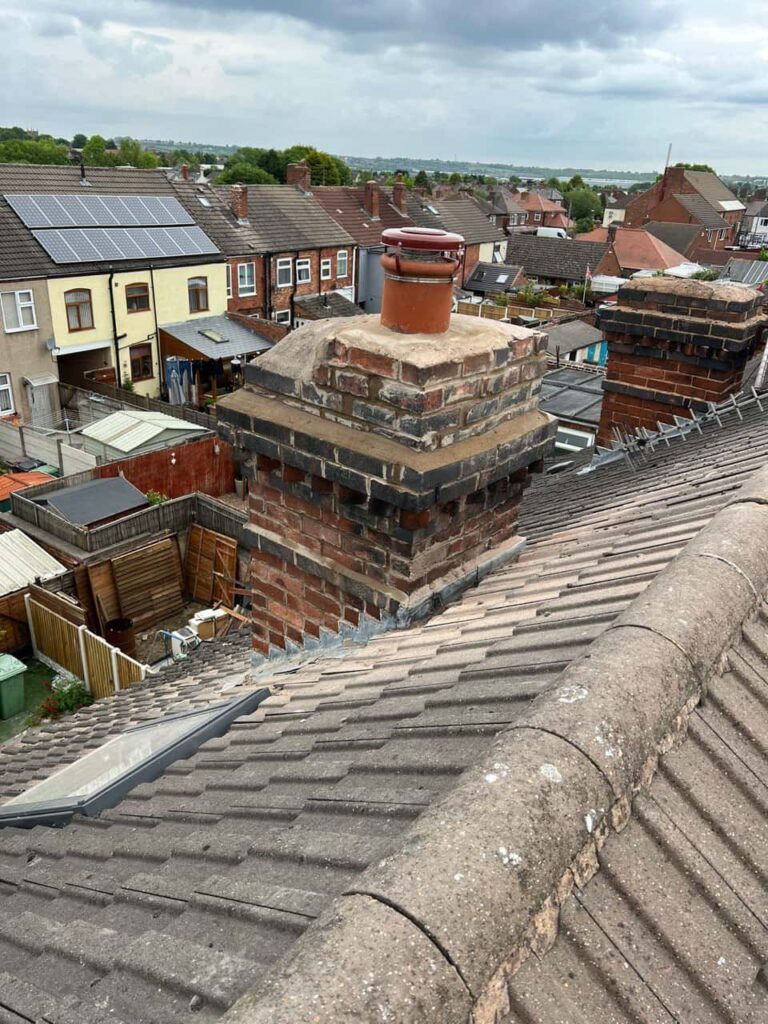
Roof tiles are designed to work as a tightly fitted system, protecting the roof structure from wind, rain and temperature changes. When even a small number of tiles begin to move, it is often seen as a minor issue. In reality, slight tile movement is frequently the first warning sign of wider roofing problems developing beneath the surface. For homeowners in Castle Donnington, Leicestershire, understanding how minor tile movement can escalate helps prevent avoidable damage and disruption.
Why Roof Tiles Begin to Move
Tile movement rarely happens without an underlying cause.
Natural Wear and Fixing Fatigue
Over time, fixings such as nails or clips can weaken due to age, corrosion or repeated exposure to weather. Once fixings lose their grip, tiles can shift slightly, especially during windy conditions.
Roof Movement and Settlement
All roofs experience a degree of natural movement. Changes in temperature cause materials to expand and contract, and gradual settlement can affect how tiles sit on the roof. If allowances for this movement are no longer effective, tiles may start to slip or lift.
How Small Gaps Allow Water Ingress
Minor tile movement creates openings that compromise the roof’s weatherproofing.
Exposure of Underlay and Battens
When tiles shift, the protective layers beneath them become exposed. Underlay is not designed to withstand prolonged exposure to rain, and once water reaches battens, moisture can begin to affect the roof’s structure.
Wind-Driven Rain Penetration
Even small gaps can allow rain to be driven beneath tiles during storms. This type of ingress often goes unnoticed until internal signs begin to appear.
Escalation into Structural Roofing Issues
What begins as a cosmetic issue can quickly affect the roof’s integrity.
Batten Deterioration
Persistent moisture caused by tile movement can weaken roof battens. Once battens lose strength, they no longer provide a secure fixing point, allowing more tiles to move and worsening the problem.
Increased Tile Loss Risk
Loose tiles place additional stress on surrounding tiles. As movement spreads, the risk of further slippage or tiles becoming dislodged increases, particularly in high winds.
Impact on the Interior of the Property
Roofing issues caused by tile movement do not remain external.
Damp and Staining
Water entering through displaced tiles can lead to staining on ceilings and upper walls. These signs often appear after damage has already progressed within the roof space.
Insulation and Timber Damage
Moisture can reduce insulation effectiveness and affect roof timbers over time. This hidden damage can develop gradually if the original tile movement is not addressed promptly.
Why Early Professional Repairs Matter
Addressing tile movement early prevents escalation.
A professional roofer will assess not just the visible tiles, but also the condition of fixings, battens and surrounding roof materials. This ensures repairs restore the roof’s stability rather than simply repositioning tiles temporarily.
At Castle Donnington Roofing Repairs, we carry out thorough roof inspections to identify the causes of tile movement and apply lasting repair solutions. Our focus is on protecting roofs throughout Castle Donnington from avoidable long-term damage.
Conclusion
Minor tile movement should never be ignored. What appears to be a small issue can quickly lead to water ingress, structural deterioration and internal damage if left unaddressed. Early identification and professional repair are key to preventing these problems from escalating.
For homeowners in Castle Donnington, Leicestershire, responding promptly to signs of tile movement helps maintain a secure and weatherproof roof. If you have noticed shifting or misaligned tiles, Castle Donnington Roofing Repairs can provide expert assessment and effective repairs to safeguard your property.
Call us on: 01332 215 195
Click here to find out more about Castle Donnington Roofing Repairs
Click here to complete our contact form and see how we can help with your roofing needs.