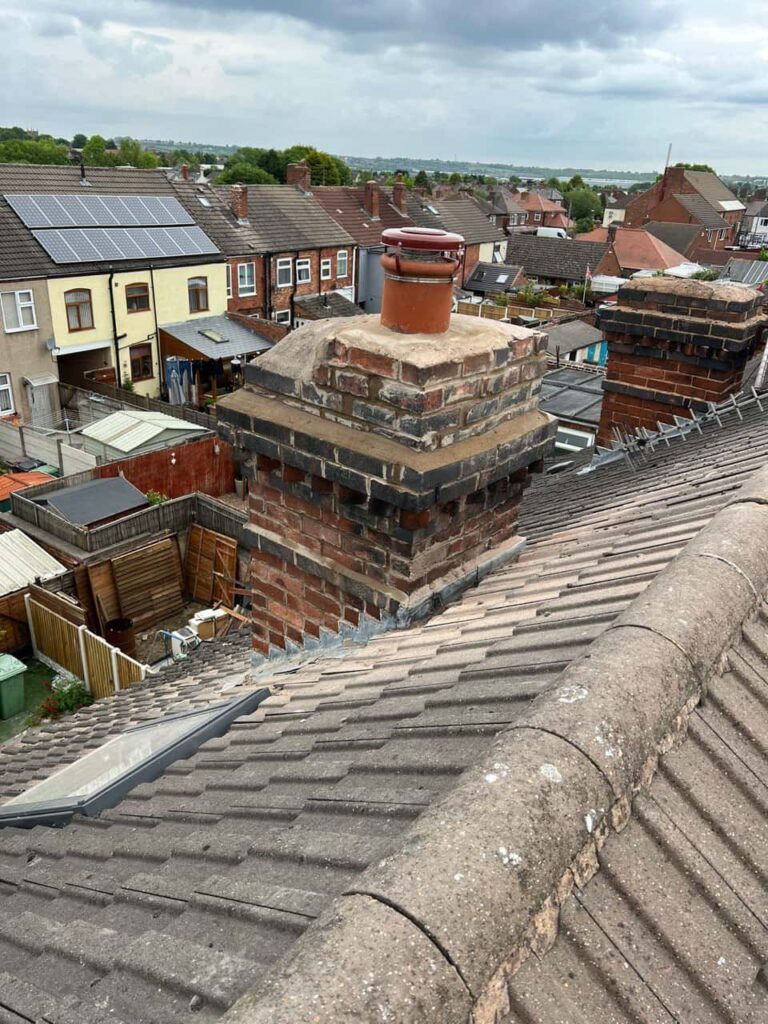
Water marks, damp patches and droplets inside a property often suggest a leaking roof, but external water ingress is not always the cause. Condensation can create similar symptoms, particularly in roof spaces where warm, moisture-laden air meets cold surfaces.
Correctly identifying the source matters because roof leaks and condensation require different solutions. Repairing tiles will not resolve inadequate ventilation, while improving airflow will not stop rain entering through damaged roofing materials. A careful inspection is therefore essential before remedial work begins.
How to Tell Whether Moisture Comes From a Roof Leak or Condensation
When and Where Does the Damp Appear?
The timing of the moisture provides a useful starting point. A roof leak commonly becomes noticeable during rainfall or shortly afterwards. Damp may worsen following prolonged rain or when wind drives water beneath vulnerable roof details.
Condensation is often more noticeable during cold weather, particularly after cooking, showering, drying clothes or heating the property. It may appear even when there has been no rain.
Location can also offer clues. A leak may affect one defined area, although water can travel along underlay, rafters or battens before becoming visible. Condensation tends to be more widespread and may affect several cold surfaces across the roof space.
Typical Signs of a Roof Leak
Roof leaks occur when rainwater passes through a weakness in the roof covering or one of its weatherproofing details. Possible causes include slipped tiles, cracked slates, damaged flashing, worn roof coverings and defects around chimneys or penetrations.
Signs that may indicate a leak include:
- A damp patch that worsens after rain
- Discolouration confined to one ceiling or wall area
- Dripping from a specific point
- Wet roof timbers beneath a damaged section
- Moisture close to flashing, valleys or roof penetrations
- Staining that gradually spreads from one location
- Visible damage to tiles, slates or other roof materials
A visible internal mark may not sit directly beneath the defect. Water can enter higher up the roof and follow the structure before reaching the ceiling, which is why accurate leak detection requires more than inspecting the damp patch alone.
Typical Signs of Condensation
Condensation forms when warm, humid air reaches a surface cold enough for the moisture to turn into water droplets. Roof spaces can be particularly susceptible during colder periods because the underside of the covering and exposed fixings may become very cold.
Possible signs include:
- Fine droplets spread across the underside of the roof
- Dampness affecting several rafters or timbers
- Moisture on roofing felt, membranes, pipes or metal fixings
- Mould developing in multiple parts of the loft
- Damp insulation without an obvious entry point
- Symptoms that are worse in cold weather
- Moisture appearing despite dry external conditions
Condensation can also cause rusted fixings, stained timber and musty odours. If it persists, the resulting moisture may eventually affect insulation, roof timbers and internal finishes.
Why Condensation Develops in the Roof Space
Everyday household activities release moisture into the air. Warm air rises and may enter the loft through gaps around hatches, light fittings, pipes and other openings.
Problems can develop when the moisture entering the roof space exceeds the amount that ventilation can remove. Common contributing factors include inadequate airflow, blocked vents, poorly fitted insulation and extractor ducts releasing moist air into the loft instead of discharging externally.
The correct response should address both moisture movement and ventilation rather than simply wiping away the visible droplets.
Can a Property Have Both Problems?
A roof leak and condensation can occur at the same time. For example, localised water entry may dampen insulation while limited ventilation allows general moisture to collect elsewhere in the roof space.
This can make diagnosis difficult. Widespread droplets may suggest condensation, but a concentrated wet area after rain could still indicate a separate roofing defect. Both the internal environment and the external roof covering should therefore be considered.
Why Guesswork Can Lead to Repeated Problems
Treating the wrong cause may leave the property no better protected. Applying sealant near an internal stain will not necessarily reach the point where rainwater enters. Similarly, replacing an apparently damaged tile may not resolve condensation caused by insufficient airflow.
An effective inspection should consider:
- Recent weather and when the moisture appears
- The position and pattern of dampness
- The condition of tiles, slates and roof coverings
- Flashing, valleys, ridges and roof penetrations
- The state of the underlay and roof timbers
- Loft ventilation and possible airflow restrictions
- Insulation placement and household moisture sources
These checks help distinguish an isolated roofing defect from a broader ventilation or condensation issue.
What Should You Do When Damp Appears?
Avoid entering unsafe or restricted parts of the roof space, particularly where insulation conceals ceiling joists or electrical fittings may be wet. Make a note of when the damp appears, whether it follows rainfall and which areas are affected.
A professional assessment can then determine whether the property requires a roof repair, improvements to airflow or attention to more than one cause. Early investigation is worthwhile because persistent moisture can spread beyond the original area and make the source harder to identify.
Conclusion
A roof leak usually has a point of entry and often becomes worse during or after rainfall. Condensation is more closely associated with humid internal air, cold surfaces and insufficient roof-space ventilation. Although their patterns differ, the symptoms can overlap and both problems may occur together.
Castle Donnington Roofing Repairs provides professional roof inspections and leak detection throughout Castle Donnington, Leicestershire. If you have noticed unexplained dampness, staining or moisture in your roof space, contact our team to arrange an assessment and identify the appropriate next step.
Call us on: 01332 215 195
Click here to find out more about Castle Donnington Roofing Repairs
Click here to complete our contact form and see how we can help with your roofing needs.